
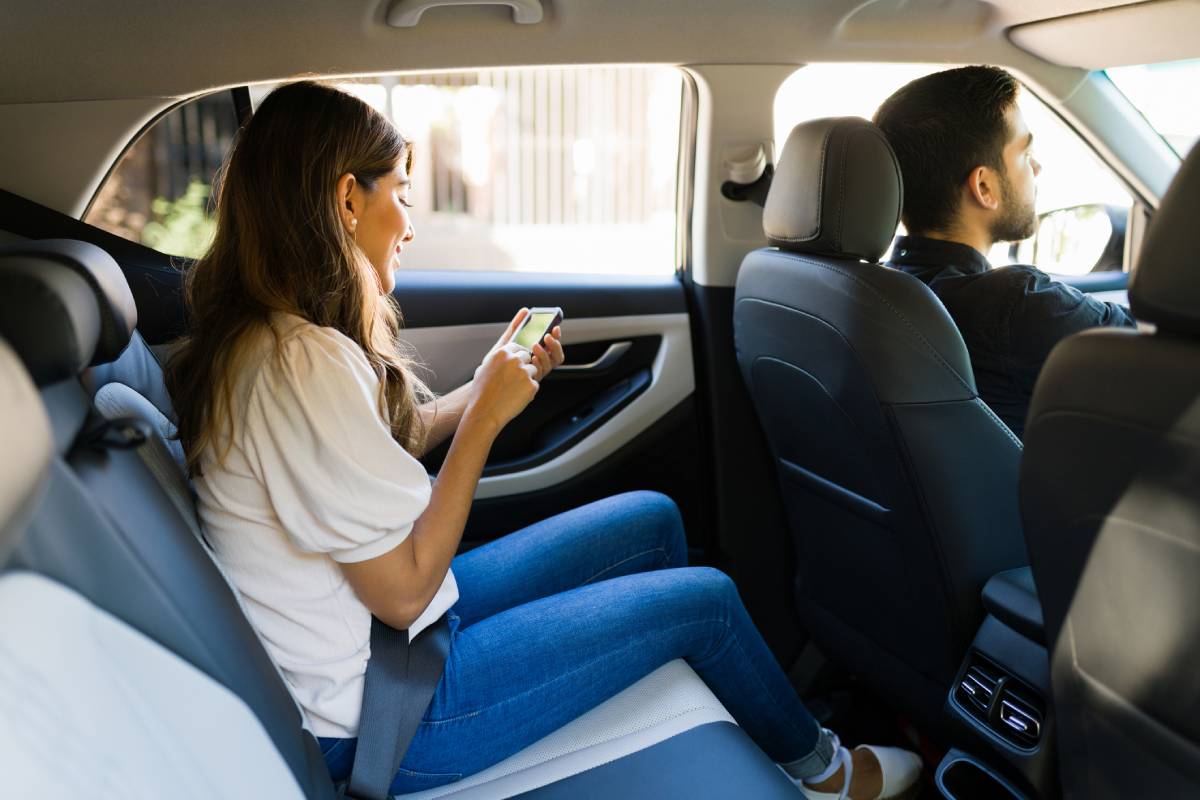
Rideshare driving has exploded across the country, creating new opportunities for Americans to earn flexible income. Unfortunately, it also introduced new insurance considerations that many drivers don’t understand. The rise in popularity of ridesharing created a substantial gap in auto insurance coverage, leaving drivers vulnerable to a variety of negative consequences. The most popular rideshare app is Uber, widely recognized for its massive user base and dominant market share. Uber does provide some coverage for their drivers, but this protection is limited and leaves drivers open to repercussions when it doesn’t cover all scenarios. Insurance providers are bridging this gap by offering their own rideshare coverage, including specialized Uber insurance solutions. The intersection of personal and commercial use creates a unique problem that requires a proper understanding if you want to protect yourself as an Uber driver. You could suffer severe financial upset by assuming your existing auto insurance will protect you while driving for Uber. Take the time to research your policy and learn the details so you are prepared to handle any challenge as an Uber driver.
Personal Auto Insurance Limitations
Insurance providers are becoming well acquainted with the complexities of ridesharing. My personal policies specifically deny coverage when used for commercial purposes. They recognize the increased risk of rideshare driving and do not design their personal policies to protect you or your assets in such scenarios. If you deny the use of your vehicle for ridesharing to your insurance provider and are involved in an accident, they can deny your claim entirely on that basis alone. This leaves you the responsible party for any consequences resulting from the accident.
Uber’s Coverage
Uber’s coverage works on a tiered system that kicks in at different phases of the driving process. Depending on your driver status, Uber offers varying levels of protection that are triggered during each event:
- The app is on, but no ride request has been received.
- The ride request has been accepted, and you are en route to pick up the passenger.
- Passenger enters your vehicle.
Coverage starts with basic liability coverage and increases in protection after each triggered event. Uber’s coverage tier provides basic coverage for ridesharing but has limitations throughout the phases. High deductibles and initial-phase protection often prove insufficient when your policy excludes commercial activities. If Uber experiences technical issues and driver status cannot be verified, you may be held financially responsible if you are involved in an accident.
Factors to Consider
Several factors should influence your decision about purchasing additional Uber insurance coverage. If you earn a full-time income as a rideshare driver, you are at greater financial vulnerability than a weekend driver. This means added protection might be something you could benefit from. If you lease or are making payments on your car, rideshare driving could violate your loan agreement if it is not adequately disclosed. Another factor is your financial ability to finance added protection. But if an accident does occur, any gap in coverage will be your sole financial responsibility.
Best Practices for Uber Drivers
In most cases, looking into additional insurance as an Uber driver is advisable. Don’t get stuck with the financial and legal burden resulting from a rideshare accident. Start by understanding your current policy and the protection it provides. Pay particular attention to ridesharing topics. You can contact your provider directly to discuss your policy and explore available options suitable for rideshare drivers. Also, stay up to date on any changes to your personal policy or Uber’s.
CTA: Need rideshare coverage that actually covers your vehicle? Call Safecal Insurance today!
Reference:
Uber. (n.d.). Insurance maintained by Uber for US rideshare drivers.